— FLO2 · Built Environment
Banks & Financial Institutions
IAQ monitoring and demand-controlled ventilation for retail banking infrastructure.
Home Built Environment Banks & Financial Institutions
— FLO2 · Built Environment
IAQ monitoring and demand-controlled ventilation for retail banking infrastructure.
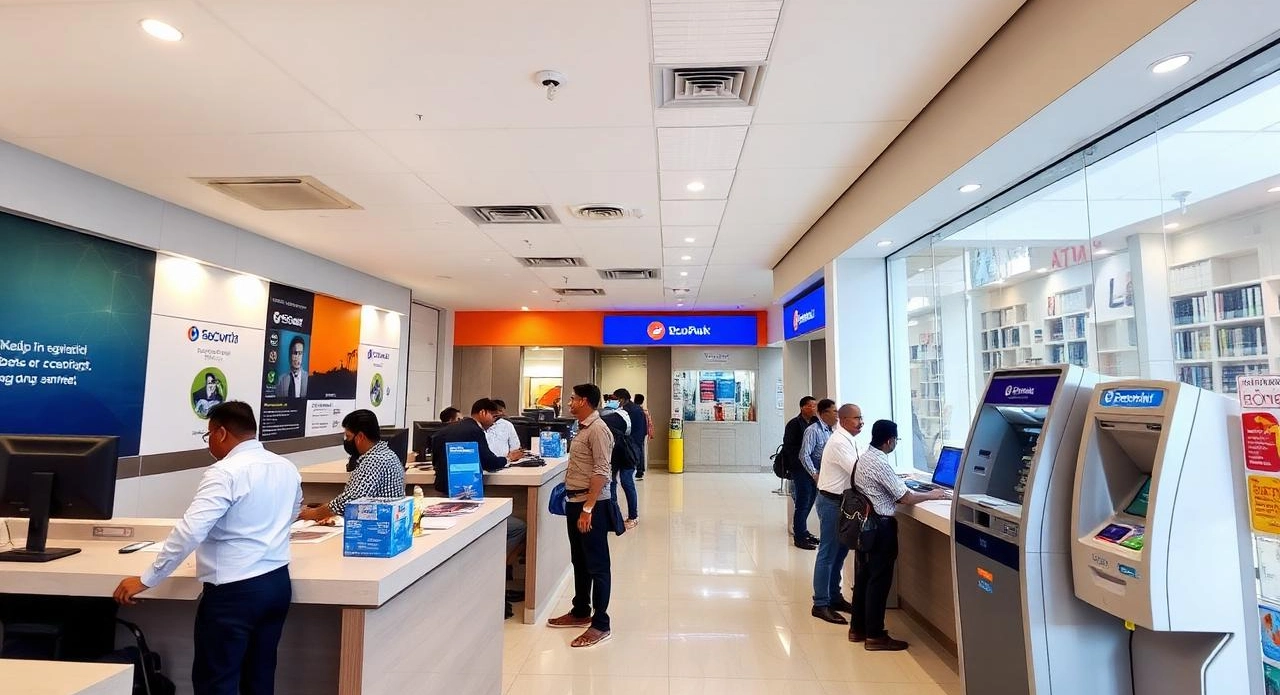
Bank branches operate long hours under variable occupancy, with HVAC systems typically running on fixed schedules that bear little relationship to actual footfall. The outcome is predictable: CO₂ accumulation during peak hours, over-ventilation when the branch is quiet, and energy consumption that does not track demand.
Across a distributed branch network, this represents a material and addressable cost, alongside growing obligations around ESG disclosure and green building certification that require verifiable, continuous IAQ records.
Thirteen-parameter sensing across CO₂, PM2.5, PM10, TVOC, temperature and humidity. Cloud-logged data with threshold alerts and structured compliance reports across all branches.
FLO2 FAIR retrofits onto existing HVAC plant, modulating airflow and fan speed against real-time occupancy and CO₂ data. No equipment replacement required.
Variable frequency drive control on AHU supply and return fans reduces fan energy significantly across part-load operating hours, which represent the majority of a branch's operating day.
IAQ and energy performance across all branches consolidated into a single view. Reports formatted for ESG and certification submissions.
Open-protocol connectivity with existing building management, fire and access systems.
HVAC fan energy reduction
30 to 60 percent
CO₂ in occupied zones
Maintained below 800 ppm
Compliance documentation
Auto-generated
| Metric | Observed Range |
|---|---|
| HVAC fan energy reduction | 30 to 60 percent |
| CO2 in occupied zones | Maintained below 800 ppm |
| Compliance documentation | Auto-generated |
| Installation disruption | None, no civil works required |
Book an audit or request a site assessment. A structured review identifies IAQ conditions across customer and teller zones, HVAC energy losses and certification gaps, with findings suitable for internal review and ESG reporting.
A structured site assessment identifies compliance gaps, energy losses and the remediation options available - before your next audit cycle.